Sessions are scheduled flexibly around feeding times and household routines, easing added stress during appointments.

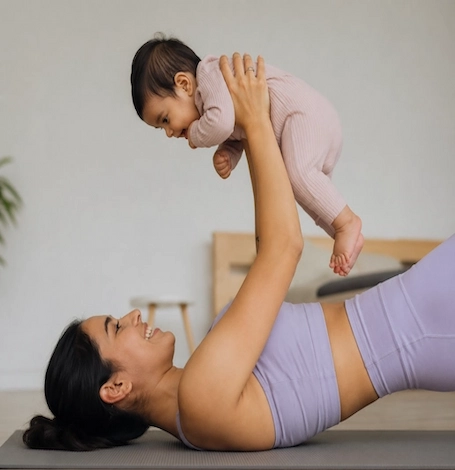
Weak core muscles compromise balance and posture, which is why post delivery physiotherapy techniques focus on steady, safe rebuilding rather than rushed intensity. Core weakness after childbirth affects far more than appearance, it influences spinal health, stability, and everyday confidence. Mothers frequently mention feeling unstable during simple tasks, unsure whether their bodies will support sudden movements safely. Pilates-based rehabilitation forms a core part of this process, targeting deep stabilizing muscles that generic workouts often miss. Posture correction exercises further reduce strain on the neck and shoulders, common complaints among mothers who spend hours nursing daily. Progressive loading ensures joints and ligaments, still healing from pregnancy hormones, are never overloaded during early training phases.
Mothers dealing with fatigue, back pain, and pelvic instability often benefit from postnatal physiotherapy support built around their specific struggles. Structured, hands-on care replaces generic exercise sheets that fail to address individual muscle weakness patterns properly.
Common struggles our patients describe include:
Mrs. Famidha, M.P.T (Neuro), personally evaluates each mother before designing a recovery roadmap suited to her specific needs.
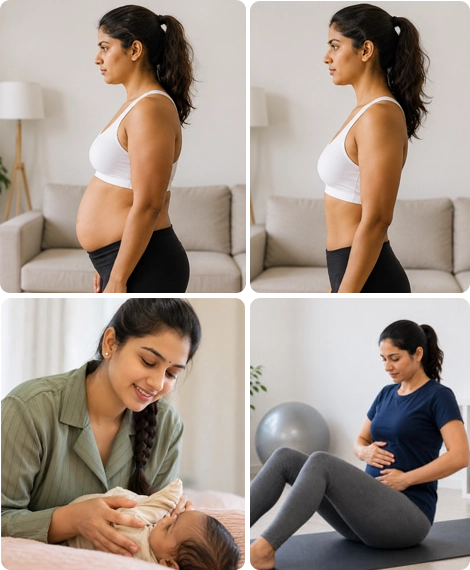
Disrupted sleep, hormonal changes, and physical strain of newborn care all contribute to constant postpartum tiredness. Gentle movement, contrary to popular belief, often reduces fatigue more effectively than complete rest alone. Fatigue relief strategies our therapists recommend include:
Short, guided movement sessions instead of prolonged rest
Breathing exercises to support nervous system regulation.
Progressive activity pacing to prevent energy crashes.
Structured activity paced appropriately restores energy levels without overwhelming an already exhausted body.
Choosing the right guidance matters deeply, and postpartum recovery plans at Sport Fit Physio Care are designed around genuine patient struggles, not copied templates. Sleepless nights, hormonal shifts, and constant baby care leave little room for self-focused healing during this fragile period.
Sessions are scheduled flexibly around feeding times and household routines, easing added stress during appointments.
Consistency matters more than intensity, especially in the fragile weeks following childbirth when tissues remain vulnerable.
Long-term strength depends on patience, and mothers who follow structured guidance recover with fewer setbacks along the way.
Months after delivery, diastasis recti and abdominal separation leave many mothers feeling physically fragile without proper guidance. Targeted core drills rebuild connective tissue strength steadily, restoring stability affected by the physical changes of pregnancy. Standing for extended periods or lifting household items becomes difficult when deep core muscles remain undertrained. Each exercise progression accounts for healing tissue, avoiding movements that strain the abdominal wall prematurely.
Book AppointmentMuscular tension from pregnancy and prolonged labor responds well to postpartum physiotherapy methods built around Integrated Manual Therapy™. Hands-on release techniques combine with guided movement retraining for lasting, measurable results across sessions. Joint stiffness around the hips and lower back responds well to targeted mobilization performed by trained hands. Sport Fit Physio Care therapists adjust pressure and technique based on individual pain tolerance and healing stage.
Schedule Postnatal Appointment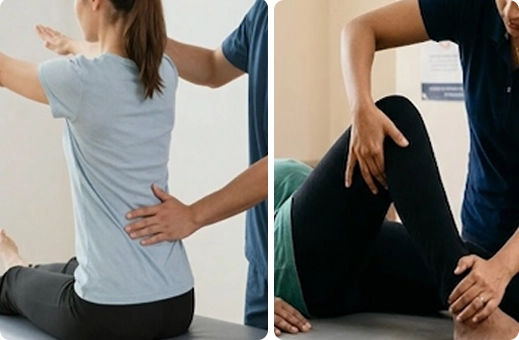

Personalized assessment forms the foundation before any treatment begins at our clinic. Sport Fit Physio Care evaluates posture, strength, and pain patterns to build a tailored recovery roadmap. Treatment plans evolve as strength improves, ensuring exercises remain challenging yet safe throughout the recovery journey. Mrs. Famidha, M.P.T (Neuro), reviews progress regularly, modifying techniques based on how your body responds week to week.
Strength training combined with Integrated Manual Therapy™ accelerates healing beyond what isolated exercises alone typically achieve. Mrs. Famidha, M.P.T (Neuro), designs each program considering delivery type, current fitness, and specific muscular imbalances present in every mother's body. Progressive loading protocols ensure tissues adapt safely, reducing injury risk during the strengthening phase ahead. Full physical confidence during daily activities returns steadily through this structured approach, addressing multiple postpartum concerns simultaneously. Mothers regain functional strength needed for lifting, carrying, and moving without persistent discomfort or fear. Recovery follows a clear path: assessment, treatment, progress reviews and long-term maintenance, with regular reassessment keeping your plan aligned to your body's actual healing pace, guiding you steadily toward stronger, lasting recovery.
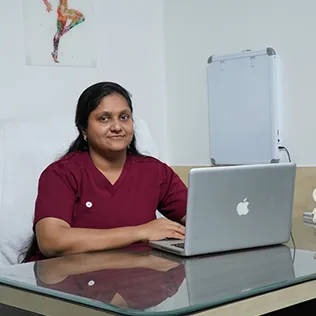
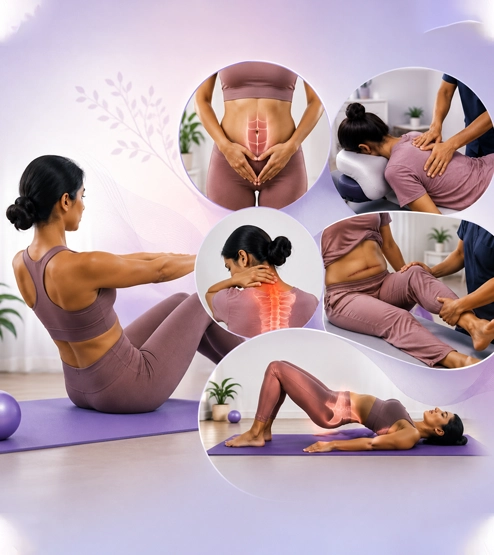
A wide range of postpartum concerns respond well to structured, evidence-based physiotherapy care at our clinic. We regularly treat mothers experiencing:
Delivery changes the body in ways that rest alone cannot fully repair. New mothers often benefit from postpartum physiotherapy to rebuild strength safely. Muscles stretch, joints loosen, and posture shifts during pregnancy, leaving many mothers weak long after childbirth ends.Sport Fit Physio Care, based in Chennai, builds every recovery plan around real struggles mothers face daily, not textbook symptoms. Recovery timelines vary based on delivery type, pre-pregnancy fitness, and how the body responds to hormonal changes.Your comfort during every session remains a priority for Mrs. Famidha, M.P.T (Neuro), and her team throughout the treatment journey. Simple movements like lifting your baby, sitting through long feeds, or climbing stairs can feel exhausting when core muscles stay weak.
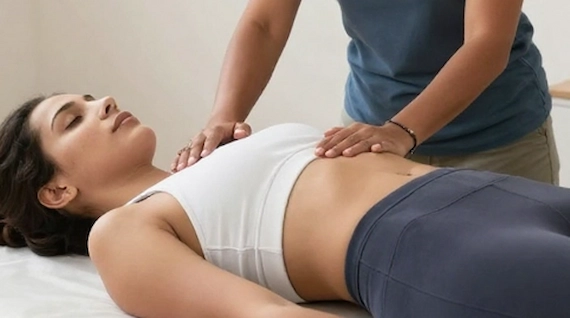
Walking patterns, bladder control, and overall confidence often suffer when pelvic instability persists after childbirth ends. Restoring stability requires targeted muscle activation exercises focused specifically on deep pelvic floor engagement.Ligament laxity from pregnancy hormones takes months to resolve, making patience essential throughout this recovery phase. Guided breathing techniques paired with pelvic tilts help reconnect neural pathways weakened during pregnancy and delivery.
Forward-leaning posture patterns affecting the neck and shoulders often develop from nursing positions and constant baby-carrying. Corrective exercises target overstretched upper back muscles while strengthening weakened postural stabilizers simultaneously and safely.
Common posture issues our therapists correct include:
Improved alignment reduces tension headaches and shoulder discomfort commonly reported by mothers during feeding sessions.
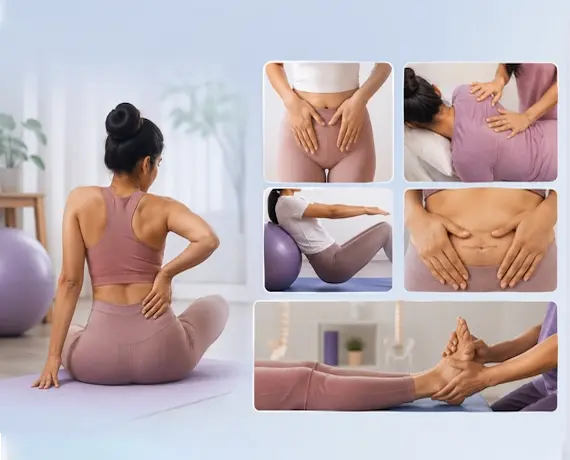
Get expert, personalised postpartum rehabilitation at Sport Fit Physio Care, Chennai. Restore your core, relieve pain and reclaim your movement confidence.
Our postpartum system focuses on restoring how your entire body functions, moves, and feels, giving you back your foundational core power safely and systematically.
The right time depends on the type of delivery and individual healing. Many mothers begin gentle physiotherapy after medical clearance, often around six to eight weeks following childbirth
Yes, targeted manual therapy and posture correction techniques help reduce back pain caused by pregnancy weight shifts and prolonged nursing positions. Many mothers begin noticing steady improvement with consistent physiotherapy, though recovery varies based on individual healing.
Pilates-based exercises are specifically modified for postpartum bodies, focusing on deep core activation without straining healing abdominal muscles or ligaments. Our therapists adjust intensity based on individual recovery stages.
Recovery duration varies between mothers, generally ranging from three to six months depending on delivery type, muscle weakness severity, and consistency with prescribed exercises.
Yes, pelvic floor exercises with guided breathing restore stability, improving bladder control and movement confidence.
Online • Usually replies instantly